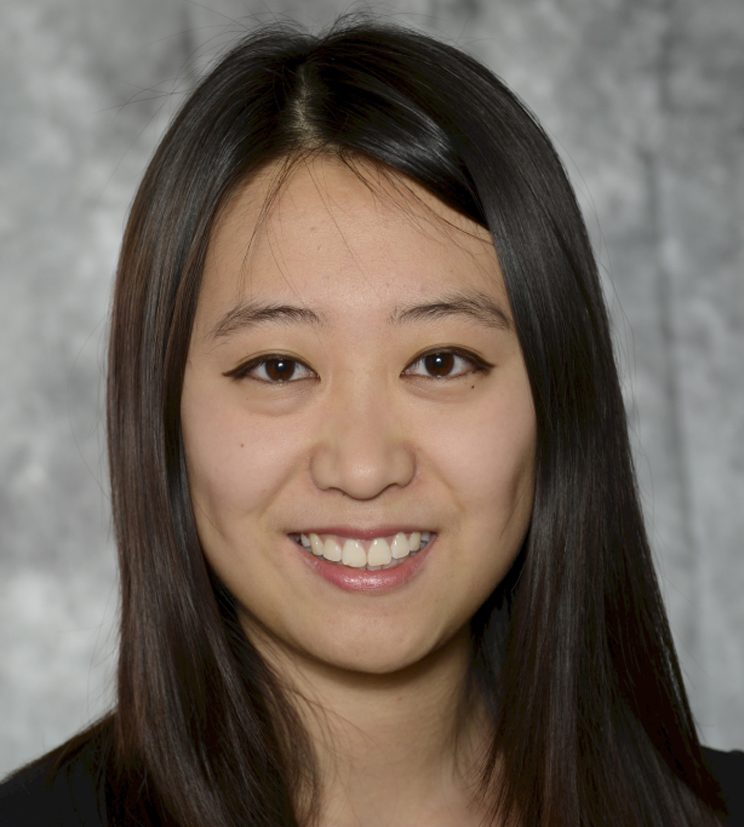
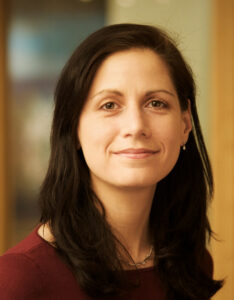
For the longest time, I had wanted to be a surgeon for as long as I can remember—I think back to ninth grade. I remember in tenth grade, I shadowed my first bariatric surgery. In eleventh grade, I was the president of my high school’s pre-medical club; it was pretty small. By twelfth grade, I had spent over 350 hours volunteering at a hospital. I think the fact that I wanted to be a doctor was really influenced by the people I looked up to back when I was in high school. Neither of my parents were doctors, but a lot of my friends’ parents were. In my English classes, we read about Paul Farmer and Jim Kim. I really admired the kind of broad-reaching work that they did.
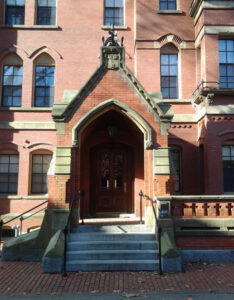
In college, I went into Harvard College knowing that I was going to pursue medicine. I had turned down a couple of colleges where I had gotten into the medical and bachelor’s program. I thought that going into Harvard would give me a broader understanding of medicine, so I wasn’t so focused into getting medical school. At Harvard, I explored different activities. I didn’t want to just be a typical pre-med by doing research and volunteering. I wanted to explore journalism, so I comped the Harvard Crimson, where I ended up writing science articles for them. I wanted to do some community service, so I ended up mentoring a girl who was adopted from China, and I taught her Chinese. I was really active in a global health club on campus. Through all these activities, I got to explore medicine without, in my opinion, explicitly doing the medical stuff. When it came time to choose a concentration, I ended up choosing history of science because it allowed me to take some of the pre-medical requisite classes as well as really cool History of Science classes that caught my eye.
The first time I was exposed to dentistry (outside my dentist’s office) was in sophomore year of college. I was writing this article on this new research that came out linking obesity and gum disease. It was the first time I thought about how anything happening in the mouth affected the rest of the body. That was pretty intriguing to me. I ended up doing some independent research on my own after the article had come out. The more I learned, the more it seemed to me that diseases of the mouth really affected people’s quality of living. In a separate instance in this global health class that I was taking, taught by Professor Sue Goldie, I read a case study that was not part of the required curriculum, but I read it anyway. It was about how fluoridating salt in Jamaica was extremely cost-effective and was able to reduce the rate of cavities for ten cents a person.
All of these sorts of things ended up coming together over the course of those six months. I shadowed a dentist to check it out. I thought it was pretty cool. After doing some soul searching, I realized that the reason I wanted to be a surgeon was to have the set of transferrable or mobile skills that could really improve somebody’s quality of life in the span of a few hours. I realized that dentistry would allow me to do the same. I had been really struck by the fact that there was this huge need in dentistry. For all these reasons, I sort of made the change to pursue dentistry instead. It was a huge deal to me because I had been so set on becoming a surgeon for so long. When I told my parents, they didn’t really believe me. They said, “Okay, good. When are you going to sign up for the MCAT?” I said, “I’m not taking the MCAT. I’m going to take different tests. It’s going to be a different path for the same reasons. I’m going to be doing pretty much the same sorts of things. Instead, I have now chosen a slightly different field.”
Once I made that decision, around junior year, switching to a pre-dental path wasn’t extremely hard because the prereq courses were very similar. For my history of science concentration, instead of focusing more on the history of global health, which I was doing previously, I focused instead on the history of modern dentistry and its development as a profession. That was a really fascinating topic for me because it linked to me some themes in public health with these issues that dentistry is struggling with right now, such as issues dealing with low-level providers, third-party payers, and things like that. In senior year, I applied to dental school. I interviewed throughout the whole year and was fortunate enough to get into a few places. I ended up choosing Harvard, again, to do my dental school education because Harvard is one of the few dental schools in the country that teach dental students alongside medical students. Since I have such a strong interest in medicine, I really wanted to go through the process and learn as much as I can about medicine. That’s where I am right now.